IT’S 7 AM, and a thin layer of mist still hovers over the harbor in Talamone as fisherman Paolo Fanciulli stretches out his nets. Pulling them out of a plastic tub, he examines them section by section, setting the ripped ones aside to be repaired. It’s a time-consuming process—one that’s occupied men from this tiny village on the coast of Tuscany for centuries.
Sunaura Taylor is an artist, writer and activist. Through painting, printmaking, writing and other forms of political and artistic engagement her work intervenes with dominant historical narratives of disability and animal oppression. Taylor's artworks have been exhibited at venues across the country, including the CUE Art Foundation, the Smithsonian Institution and the Berkeley Art Museum.
Today over 40 people gathered at the Ministry for Internal Affairs in the centre of Tirana, the capital of Albania. The issue is Tirana's drinking water, which is not clean, unreliable as it comes out of the tap only a few hours a day and that sewage systems continue to pollute the water sources.
As part of USAID's "My Comunidad-Mi Agua" program in Peru, "Pamparadio" was a radio show run by two adolescents from the community of Iquitos, a jungle province. Armed with a gigantic speaker on the top of a community center and an AM radio frequency, Marco Jhastin Anchec and Cledy del Aguila Mozombite single-handedly ran "Pamparadio" as a celebration of potable water, how to make it, and how to take care of it.
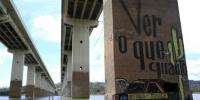
A grey minivan rattled through São Paulo’s hilly suburbs, loaded with spray cans, paint rollers, buckets and a ladder as five street artists drove to the Atibainha river, rap lyrics blaring from their speakers.
On the sweltering afternoon of 26 February, they painted colourful protest murals on the legs of a bridge that crosses one of São Paulo’s most important water sources, nestled in the Serra da Cantareira mountain range.
With people in Turkey and Syria still reeling from Monday’s devastating 7.8 magnitude earthquake, many in the art world have united in support of the relief efforts for the disaster. The death toll has now surpassed 22,000, with close to one million people now in need of food amid freezing temperatures.
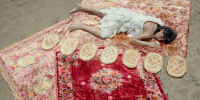
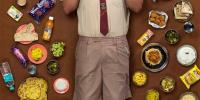
Gregg Segal -- a California-based artist who is known for using the medium of photography to explore culture with the "sensibility of a sociologist" -- travelled around the world asking kids to keep a journal of everything they ate in a week. Once the week was up, Segal made a portrait of the child with the food arranged around them: