change
medium
issue
region
despondent apostate
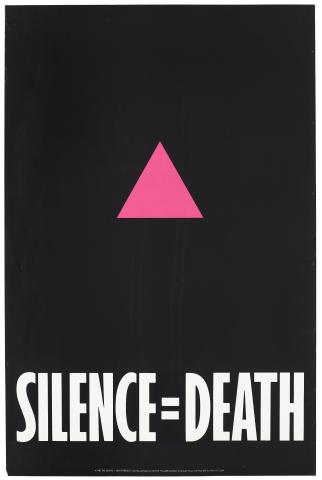
The AIDS pandemic began in the early 1980s and brought with it a surge of emotions from the public: they were afraid, angry, fearful and defiant. The arrival of AIDS also brought with it a condemnation of the LGBT community. These emotions, along with the view on the LGBT community, paved the way for a new generation of artists. Artists involved in AIDS activist organizations had the ideology that while art could never save lives as science could, it may be able to deliver a message.Art of the AIDS crisis typically sought to make a sociopolitical statement, stress the medical impact of the disease, or express feelings of longing and loss. The ideologies were present in conceptions of art in the 1980s and are still pertinent to reception of art today as well. Elizabeth Taylor, for example, spoke at a benefit for AIDS involving artwork, emphasizing its importance to activism in that "art lives on forever". This comment articulates the ability of artwork from this time to teach and impact contemporary audiences, post-crisis.This page examines the efforts of artists, art collectives, and art movements to make sense of such an urgent pandemic in American society.
Individual artistry of the AIDS crisis often was often found in museums or art galleries, in the spaces that only the economically and socially privileged could benefit from their messages. Artistic and Activist Collectives were meant to reach the general public, providing a space to build community, mourn, and spread education about the AIDS epidemic in a much more prolific manner.
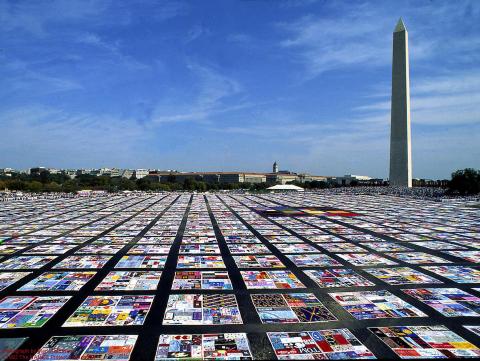
One example would be the NAMES Project AIDS Memorial Quilt, a large quilt containing thousands of panels that commemorate those living with or those who have died of AIDS. The quilt is composed of panels of many colors and patterns, some somber and dark, others vibrant, and it tells no narrative other than remembrance. Each panel commemorates an individual or group who suffered from AIDS, although some individuals have several panels dedicated to them and others have simply a first name, a familial or relationship-related nickname, or "anonymous." In June 2006, the quilt commemorated approximately 83,900 names, although the NAMES Project pointed out that the thousands of names represented less than a quarter of all U.S. AIDS deaths, and an even smaller percentage for the total number of AIDS-related deaths worldwide.