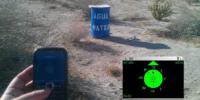
The Transborder Immigrant Tool is a ECD 2.0 (Ricardo Dominguez, Brett Stalbaum, Amy Sara Carroll, Micha Cárdenas, Elle Mehrmand) project designed to repurpose inexpensive used mobile phones that have GPS antennas (through the addition of proper software which the TB project is designing) to provide emergency personal navigation, helping to guide dehydrated immigrants to water safety sites established by activists and to provide poetic audio nourishment
The State of Things was first performed in the spring of 2006 on the 3rd anniversary of the Iraq war. On September 1st, 2008 in collaboration with Northern Lights as part of the UnConvention, Ligorano/Reese recreated The State of Thing’s Democracy ice sculpture, weighing over 1,000 pounds and measuring 5 feet high and 20 feet wide, in front of the State Capitol Building in St. Paul, Minnesota.
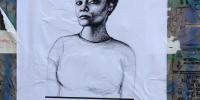
Stop Telling Women to Smile is a street art project by Tatyana Fazlalizadeh that addresses gender based street harassment.
Street harassment is a serious issue that affects women world wide. This project attempts to take women's voices, and faces, and put them in the street - creating a presence for women in an environment where women are a lot of times made to feel uncomfortable and unsafe - outside in the street.
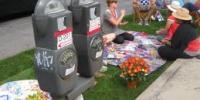
In 2005, Rebar, a design studio in San Francisco, transformed a single metered parking space into a temporary public park. The area where this two-hour park took place was one that lacked public open space. This was the first Park(ing) Day project.
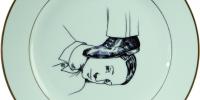
The project (created in 2009-2010) consists of painted plats and posters depicted with drawings of police torture scenes. Images also include snippets of email exchanges. The plates have been exhibited in numerous galleries in Ukraine, and posters were hung in public spaces.
The Immigrant Yarn Project (IYP), organized and created by Cindy Weil was a massive work of public and democratic (crowd-sourced), yarn-based art honoring our immigrant heritage and promoting tolerance, difference, and community. Weil reached out across the state and beyond to collect yarn-based creations by immigrants and their descendants.
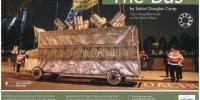
In 1994, the human rights and environmental activist KenSaro-Wiwa was arrested and accused of incitement to murder. Eighteen months later, following a show trial condemned by human rights organisations, he and eight other leaders of the Movement For the Survival of the Ogoni People were executed by hanging, an act that propelled the story on to the front pages of newspapers worldwide.