change
region
medium
issue
despondent apostate
Amongst the European network of cultural institutions there has been widespread recognition that the climate crisis is a cultural crisis. In 2019 members of the European Theatre Forum convened and adopted the Dresden Convention, a revolutionary text that aimed to lower the carbon footprint and better the sustainable practices of the theatre and cultural sector at large. Among the actions agreed to be undertaken by the signatories of the 2019 Dresden Convention was the disclosure of environmental impacts through transparent measuring, reporting - and ultimately reducing - of their carbon emissions across all of their lines of activity.
In line with these discussions, in 2020 the Martin Gropius Bau Museum in Berlin opened the exhibition "Down to Earth", which explored the intersection of art, ecology, and sustainability. Upon arrival, guests were handed a booklet about the exhibition, which spelled out the rationale behind the work: "Although widespread CO2 emissions have been increasing globally, the challenge remains to disclose our data and keep them as low as possible." The booklet emphasized the role of transparency in mitigating climate change and presented how data can be re-framed for broader public understanding.
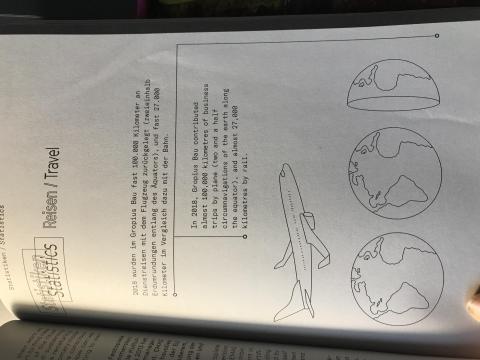
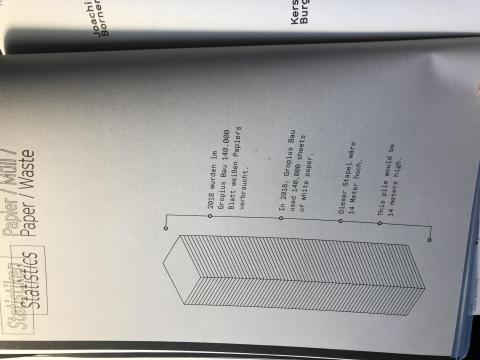
Whilst recognizing the impossibility of net zero emissions, a challenge common to virtually all sectors of the industrialized world, the as possible concluding the text indicated a renewed positioning towards transparency and commitment to better the practices of the cultural sector. The unique aspect of this booklet was its translation of scientific data into units of measurement understandable to a wider audience. For example, one the pages read that “In 2018, Gropius Bau used 140,000 sheets of white paper. This pile would be 14 metres high“ and again, “In 2018, Gropius Bau contributed almost 100,000 kilometers of business trips by place (two and a half circumnavigations of the earth along the equator), and almost 27,000 kilometers by rail.
If, as Nayantara Sen has argued, a narrative strategy goes beyond just telling a story by creating a compelling content that resonates with audiences on a personal or cultural level, according to Duncombe it must also spark an emotional reaction to ensure that the narrative resonates deeply and drives individuals toward action. It has been widely recognized by environmentalist movements that one of the main challenges it faces is its incapacity to speak to a wider audience due to the scientific technicalities involved. In order for the climate emergency to be dealt with the seriousness it requires, it is imperative that the bridge between science and social life be targeted with all of the artistry and creativity required.