21-Day Survival Challenge 2 Favorite 

Practitioner: 

Date: 

May 1 2021

Location: 

China, Beijing

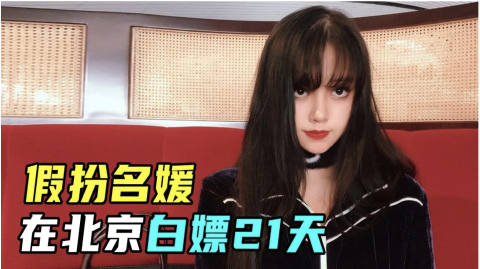
In her 2021 graduation project from the Central Academy of Fine Arts (CAFA), Chinese performance artist Zou Yaqi staged a provocative social experiment titled “21-Day Survival Challenge.” For three weeks, Zou assumed the persona of a wealthy socialite, using counterfeit luxury items, strategic self-presentation, and social engineering to access elite spaces in Beijing—such as five-star hotel lobbies, first-class airport lounges, and high-end restaurants—without spending any money.

The project interrogated the constructed nature of class, privilege, and femininity in consumer society. By weaponizing surface aesthetics and performing status, Zou exposed how material symbols—brand names, fashion, demeanor—can override financial reality, granting individuals unearned access and social deference. Her embodied infiltration of the urban upper class blurred the lines between art and real life, truth and illusion, performance and privilege.

Zou documented the process through photos, videos, and detailed notes, transforming her body into both subject and medium. The work sparked viral debate online, resonating with younger generations frustrated by class inequality and the spectacle of performative wealth in China’s post-socialist economy.

“Let objects return to being objects, and let people return to being people,” Zou wrote—challenging a society increasingly dominated by consumption, image, and status theater.

Posted by Katherine on

Staff rating: 

0

Effectiveness

How does this project help?

Timeframe For change

Zou Yaqi’s 21-Day Survival Challenge aims to interrogate and ultimately destabilize the performative foundations of class privilege, gender-coded access, and the symbolic economy of consumer capitalism. By exposing how appearances alone can manipulate systems of trust, value, and hospitality, the project calls for a broader societal re-evaluation of how wealth, identity, and status are constructed and rewarded. Her long-term goal is not merely to critique inequality, but to inspire critical consciousness around the theatricality of social life—especially in a hyper-visual, market-driven society. Through performance art as lived intervention, Zou seeks to make visible the invisible codes of exclusion and reveal how urban systems respond to embodied performances of class and femininity. The work aspires to plant the seeds for a more transparent and deconstructed public culture, where worth is no longer confused with luxury branding.

Notes

Zou Yaqi’s project was highly effective in generating widespread public discourse across both mainstream and alternative platforms. It went viral on Chinese social media, triggering debates about class mobility, gendered privilege, and moral ambiguity. While some critics questioned the ethics of deception, most recognized the project’s brilliance in using performance to reflect structural inequality back to society like a mirror. The project’s strength lies in its accessibility: it did not rely on theoretical jargon, but instead embodied critique through everyday gestures—walking into a luxury hotel, smiling in a glass elevator, sipping free champagne. This disarming subtlety allowed the project to resonate with a broad audience, particularly younger generations disillusioned by unattainable social ideals and material excess. Although it didn’t lead to policy change, its cultural impact was significant. It inserted critical art into everyday life, blurred the line between art and activism, and contributed to a growing wave of socially engaged performance practices in China. It also sparked international academic interest, positioning Zou as a rising voice in post-socialist, feminist, and performative critique.